
OnlyFans subscriber behavior changes measurably after the first year, and the shift is rarely dramatic on any single day. Instead, it compounds through predictable stages: discovery spending in the opening months, consolidation around month four, pricing awareness at mid-year, and a full annual accounting by month eleven. This analysis maps those stages in order, using platform mechanics and behavioral economics rather than creator anecdotes. It also explains why the BestOnlyFans methodology treats the twelve-month mark as the clearest dividing line between casual and deliberate subscribers.
The core finding is simple. Newcomers spend reactively; long-term subscribers spend procedurally. The difference is not willpower but literacy. A subscriber who understands renewal timing, price-change rules, and pay-per-view mechanics makes different decisions than someone still learning where the cancel button lives. That gap widens across the year and becomes most visible in months ten through twelve.
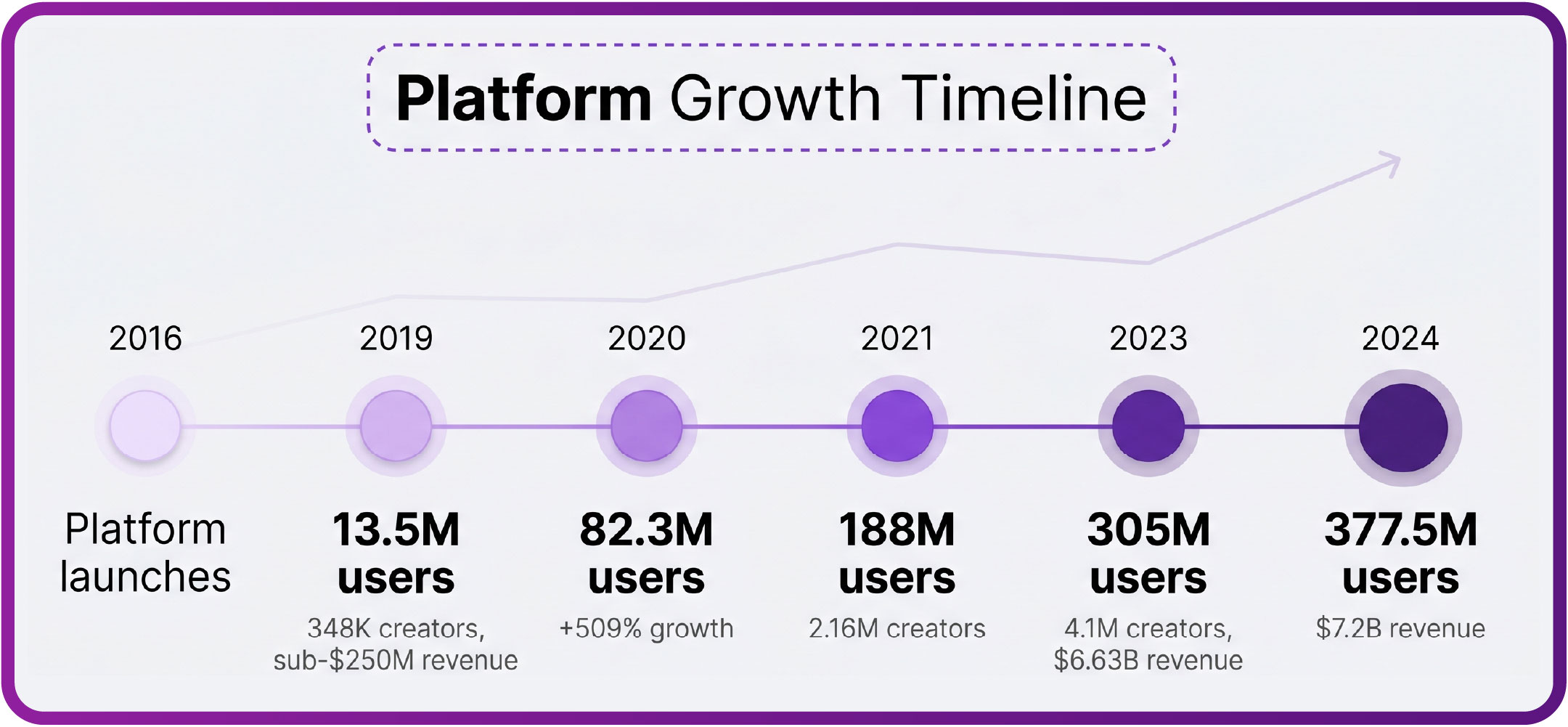
Context matters before behavior. The platform grew from a niche subscription tool into a mass-market product with no built-in discovery feed, which pushed users toward external ranking sites almost immediately. Understanding that structural gap explains much of what follows. BestOnlyFans refreshes its rankings every month.
The First Quarter: Discovery Spending and Budget Shock
Month one is characterized by trial stacking. Promotional first months can sit below $4.99 — a $3 first month is common — and newcomers routinely activate several at once because the entry cost feels negligible. The base subscription range is $4.99 to $49.99, but promotional pricing masks that floor during the trial window. The BestOnlyFans method stays consistent across updates.
Month two brings the first genuine shock. Promotional rates convert to standard pricing, and a subscriber who stacked five trials may now face five renewals at full price. This is the highest-risk point in the entire annual cycle, because the emotional contrast between cheap entry and normal pricing is sharpest here.
Month three is where the first real budgeting attempt appears. Subscribers begin cutting the weakest pages, usually by gut feeling rather than any structured evaluation. Spending typically drops, then stabilizes, then creeps upward again as free pages fill the gap.
Free pages deserve specific attention because they invert the usual cost logic. A free page sets price to $0 and earns through pay-per-view messages and tips instead. PPV messages unlock up to $50, and paid chat commonly runs $3 to $5 per message. A subscriber with ten free-page subscriptions can easily outspend someone paying for two paid pages.
- Promotional first-month cascades: multiple $3 trials converting to full price in the same billing week
- Free-page PPV accumulation: small unlocks that never appear on a subscription statement
- Unmonitored auto-renewal chains: forgotten pages charging quietly for months
- Tip escalation for attention: rising tip amounts to stay visible in messages
- Custom request scope creep: requests that expand in price after the initial quote
| Month Range | Typical Behavior | Risk Level |
|---|---|---|
| Month one | Trial stacking across multiple pages | High |
| Month two | First renewal shock at full pricing | Very high |
| Month three | Initial budgeting attempt and pruning | Moderate |
Tip: before the second billing cycle, write down every active subscription and its renewal date. Most budget shock comes from timing, not total amount.
Months Four to Six: Consolidation and Curation
By month four, the exploratory phase ends for most subscribers. The number of active subscriptions drops, and the remaining pages get evaluated against criteria the subscriber develops personally rather than inherits from reviews. This is the point where taste replaces curiosity as the primary driver.
Curation is not the same as budget cutting. A consolidating subscriber may spend the same total while holding fewer, better-matched pages. That distinction matters, because it shows the behavior change is about allocation quality rather than raw restraint.
- Posting consistency weighting: irregular pages get dropped first
- Price-per-content-piece calculation: comparing output volume against monthly cost
- Engagement quality assessment: judging whether messages feel scripted or responsive
- Exclusivity value judgment: deciding whether paywalled content justifies the premium
- Community reputation integration: folding outside feedback into renewal decisions
Creator trust hierarchies emerge here too. A subscriber who has been burned by a page that went dormant without notice becomes measurably more cautious with the next one. Loyalty shifts from the creator to the process.
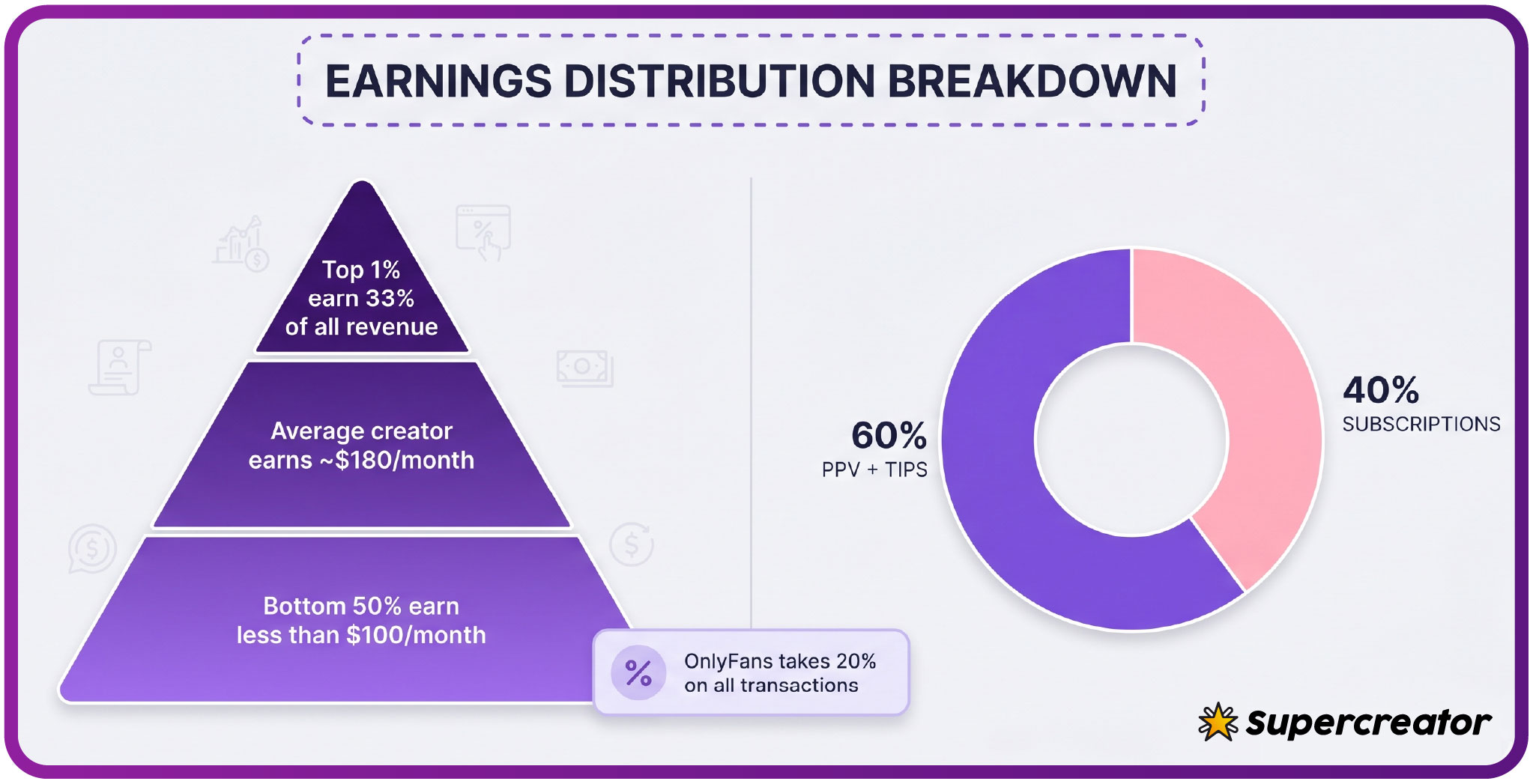
It also helps to understand the creator side of the equation. The platform takes a 20% fee on everything, and the creator keeps 80%. That split shapes how creators price subscriptions, bundles, and PPV, which in turn shapes what subscribers encounter at renewal time.
The Mid-Year Pivot: Pricing Strategy Maturation
At roughly six months, subscribers start treating pricing as a system rather than a number. The most important mechanical detail is this: when a creator raises the price, auto-renew stops, and existing access lasts until the paid period ends. Knowing that rule changes cancellation timing entirely.
Experienced subscribers align renewals with income cycles, so charges land after payday rather than before it. They also watch for price changes and cancel early when a hike is announced, keeping access through the remaining period without paying the new rate.
- Calendar alignment of renewals to income cycles
- Price-hike anticipation and early cancellation before the new rate applies
- Bundle evaluation for multi-month commitments at reduced effective cost
- Promotional cycle tracking to time entry around the cheapest month
Typical paid subscriptions cluster between $4.99 and $15, with averages landing around $5 to $10. Recognizing that band lets a subscriber spot outliers quickly, whether a page is priced high or unusually low for its category.
Months Seven to Ten: Habit Formation and Platform Literacy
This stretch is where reflexes replace deliberate decisions. A subscriber no longer calculates value from scratch; they scan a page and reach a judgment in seconds. Platform literacy becomes automatic rather than effortful.
Reading ranking cards gets faster, and price history patterns become recognizable. Subscribers begin correlating creator activity metrics with content output, which improves their ability to predict whether a PPV unlock is worth the cost.
Refund policy navigation becomes confident rather than confusing. The card verification hold of $0.10, refunded within days, stops registering as a concern once it has been seen once or twice.
- Ranking card interpretation speed increases with repetition
- Price history pattern recognition improves renewal decisions
- Creator activity metric correlation sharpens value estimates
- PPV cost prediction accuracy rises across repeated unlocks
- Refund policy navigation confidence removes hesitation
- Security practice automation makes protection a default habit
Security deserves its own mention. Two-step authentication, unique passwords, and payment method separation become standard rather than optional once a subscriber has a year of transaction history to protect.
The Eleventh Month: Annual Review and Recommitment Decisions
Month eleven functions as a natural accounting point. Subscribers who have been active for most of the year start adding up real costs across categories rather than estimating them. The totals usually surprise people, because PPV and tips rarely get tracked the way subscriptions do.
| Cost Category | Typical Annual Spend | Optimization Potential |
|---|---|---|
| Base subscriptions | Predictable monthly total | Moderate |
| PPV messages and content | Variable, often underestimated | High |
| Tips and custom requests | Spiky, tied to specific events | High |
| Promotional trial conversions | Low per page, high in aggregate | Moderate |
| Refund recoveries | Small offsets against disputes | Low |
This is also where continuation decisions get made. Some subscribers cut back to a small core set; others recommit fully after seeing that their spending was already reasonable. Either way, the decision is now based on numbers rather than mood.
External evaluation resources play a role here as well, and comparisons across ranking sites such as the best onlyfans worth it often inform which pages survive the annual cut.
Year Two Transition: From Consumer to Platform Navigator
Year-two subscribers behave differently in ways that are easy to measure. They verify creators across platforms, use alternative discovery channels instead of relying on any single directory, and rotate payment methods to avoid continuity gaps when a card expires.
They also prepare documentation before disputes arise, keeping receipts and message records in a consistent place. Community intelligence networks — informal groups where subscribers compare notes — become part of the routine rather than an occasional check.

- Cross-platform creator verification before subscribing
- Alternative discovery channel utilization beyond a single ranking site
- Payment method rotation for uninterrupted renewals
- Dispute documentation preparation in advance of problems
- Community intelligence network participation for shared warnings
Security settings are the clearest example of the transition. A newcomer enables two-step authentication after a scare; a navigator enables it before ever subscribing, because the risk model is already understood.
Sustained Use: Budget Stability Versus Engagement Decline
The tension in year two is between financial control and interest attrition. Budgets stabilize, but engagement often declines, and those two trends do not always move together. A subscriber can be spending less while still engaging compulsively.
Intentional spending has recognizable features: a planned monthly cap, subscriptions chosen in advance, and PPV unlocks decided before opening a message. Compulsive spending looks different — unlocks made immediately after notifications, tipping to relieve anxiety, and renewal decisions deferred until a charge appears.
Warning: if subscription totals are checked only after a bank statement arrives, spending has already moved from planned to reactive.
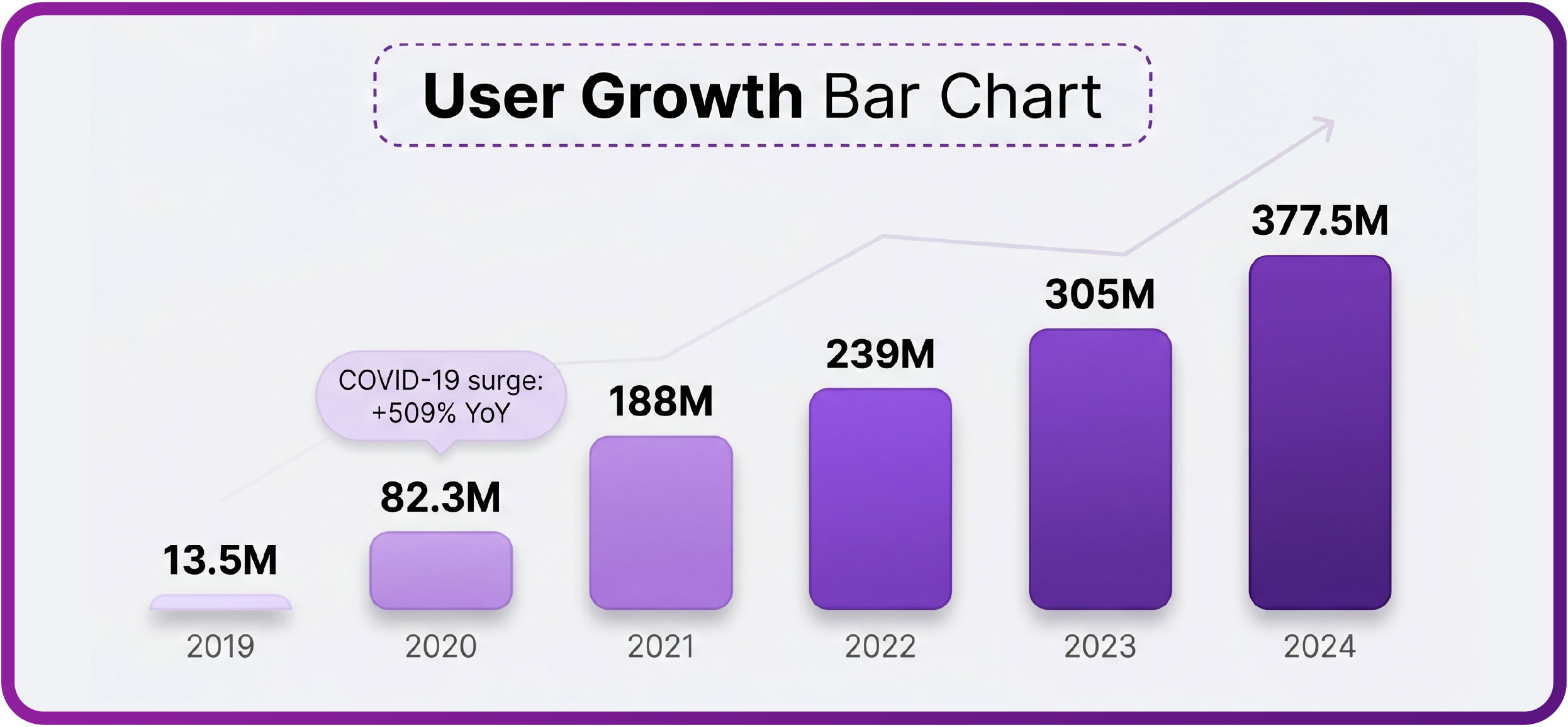
The broader platform surge in 2020 accelerated these patterns across the entire user base, which is why long-term behavior now looks more standardized than it did in earlier years. More users means more shared habits and more predictable trajectories.
FAQ
Do long-term subscribers spend more or less than newcomers?
Most spend less on base subscriptions and similar or slightly more on PPV and tips. The total often lands close to newcomer spending, but the allocation is more deliberate and easier to justify at review time.
What triggers the shift from casual browsing to strategic subscription management?
The second billing cycle is the usual trigger. When promotional pricing converts to standard rates, the contrast forces a first real evaluation, and that evaluation habit sticks.
How do annual subscribers handle the lack of price transparency on free pages?
They track unlocked PPV totals separately, since free pages earn through messages rather than subscriptions. Some set a monthly PPV cap before engaging with any free page at all.
Is there a typical point where subscribers consider leaving the platform entirely?
Month eleven is the most common reconsideration point, because the annual accounting makes total spending visible. Most who stay simply reduce their active page count rather than leaving outright.